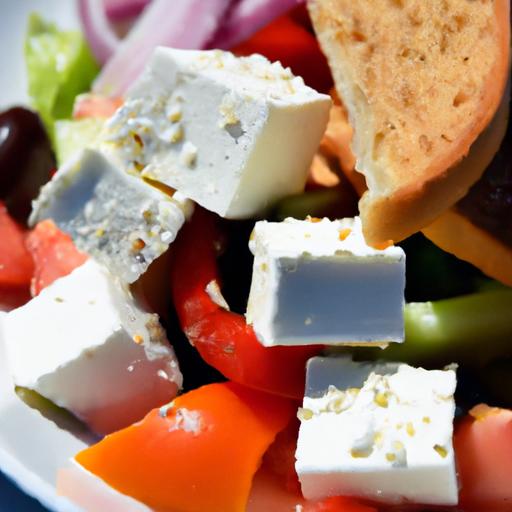


Bask in the vibrant flavors of the Mediterranean with a dish that’s as timeless as the azure sea itself: the Greek salad.This iconic blend of crisp cucumbers, juicy tomatoes, briny olives, and creamy feta cheese is more than just a side-it’s a celebration of sunshine, tradition, and the art of simplicity. In this article, we’ll unravel the secrets to crafting the perfect Greek salad, where every ingredient tells a story and every bite transports you to the heart of Greece. Prepare to awaken your palate with Mediterranean magic!
Mediterranean Magic starts with sourcing the freshest ingredients to create a Greek salad that bursts with authentic flavor. Choosing each element thoughtfully elevates this humble dish from simple to sensational, perfectly balancing tastes and textures to delight every palate.
Prep and Cook Time
- Planning: 15 minutes
- No cooking required, just chopping and assembling
Yield
- Serves 4 generously
Difficulty Level
- Easy – Perfect for beginners and seasoned cooks alike
Ingredients
- 4 ripe roma tomatoes, cut into chunky wedges
- 1 large English cucumber, peeled and sliced into half-moons
- 1 small red onion, thinly sliced
- 1 green bell pepper, seeded and julienned
- 1 cup Kalamata olives, pitted and halved
- 200 grams authentic Greek feta cheese, cut into large cubes
- 1/4 cup extra virgin olive oil – use a mild, fruity variety
- 2 tablespoons red wine vinegar
- 1 teaspoon dried oregano, preferably Greek
- Sea salt and freshly cracked black pepper, to taste
- Fresh parsley, chopped for garnish
Instructions
- Select and prepare your vegetables: Begin by washing all produce thoroughly. Slice the tomatoes into chunky wedges to showcase their vibrant red hues and juicy interiors. Peel and halve the cucumber to reveal a crisp,pale green texture that contrasts beautifully.
- Balance the textures by slicing the red onion thinly-its sharp bite will meld perfectly with the sweetness of the tomatoes and the crunch of the cucumber and bell pepper.
- Prepare the olives by removing pits if necessary.Kalamata olives bring a rich, slightly tangy flavor; halving them releases even more taste.
- Assemble the salad base: In a large bowl, combine the tomatoes, cucumber, red onion, green pepper, and olives. Toss gently to mix without bruising the delicate ingredients.
- Add the feta cheese: Use authentic Greek feta, which should be creamy yet firm, cut into large cubes or broken into rustic chunks to maintain textural contrast.
- Master the dressing: Whisk together extra virgin olive oil, red wine vinegar, dried oregano, sea salt, and freshly cracked black pepper until emulsified. The balance here is key-shining acidity meets rich, fruity oil with the warmth of oregano.
- Pour the dressing over the salad just before serving to keep the ingredients crisp and fresh. Toss lightly to coat every piece without breaking the feta cubes.
- Garnish with fresh parsley, adding a pop of green and herbal brightness.
Tips for success
- ingredient quality is paramount.Invest in ripe, firm tomatoes and authentic Greek feta from a specialty store or trusted deli. the focus keyword “Mediterranean Magic” is truly realized when every element sings.
- For olives, opting for kalamata is ideal, but if unavailable, choose brine-cured varieties for a similarly bold taste.
- Make dressing fresh each time to preserve vibrant flavors; store leftovers in the refrigerator for up to 2 days.
- To reduce onion sharpness, soak slices in cold water for 10 minutes, then drain before adding.
- For an extra twist, add freshly chopped mint or a sprinkle of crushed red pepper flakes.
Serving Suggestions
This salad shines best served chilled or at room temperature, paired with warm, crusty bread or alongside grilled seafood or meats. To heighten the mediterranean Magic, drizzle extra virgin olive oil just before serving and add a wedge of lemon for squeezing.
Visual appeal is part of the experience-serve in a wide, shallow bowl to showcase the vibrant reds, greens, and deep purples, crowned with creamy white feta cubes. Garnishing with fresh parsley or oregano sprigs adds a final flourish.
| Nutrient | Per Serving |
|---|---|
| Calories | 220 kcal |
| Protein | 6 g |
| Carbohydrates | 8 g |
| Fat | 18 g |

For further inspiration, explore our Mediterranean Grilled Seafood recipes and learn more about the benefits of Mediterranean olive oil at International Olive Council.
Q&A
Q&A: Mediterranean Magic – Crafting the Perfect Greek Salad with Feta & Olives
Q1: What makes a Greek salad truly authentic?
A1: Authenticity in a Greek salad lies in simple, fresh ingredients that sing with the flavors of the Mediterranean sun. Think ripe tomatoes bursting with juice, crisp cucumbers, vibrant green bell peppers, pungent red onions, briny Kalamata olives, and creamy blocks of feta cheese.It’s all about balance-no iceberg lettuce, no heavy dressings-just pure, honest flavors dressed lightly with extra virgin olive oil and a splash of red wine vinegar or fresh lemon juice.
Q2: Why are Kalamata olives essential in a Greek salad?
A2: Kalamata olives are the salty soul of the salad. Their deep purple hue and rich,fruity flavor provide a perfect contrast to the mild creaminess of feta and the fresh crunch of vegetables. These olives bring authentic Greek character to the dish, evoking the sun-drenched groves where they’re harvested.
Q3: How should feta cheese be prepared for the salad?
A3: Feta is the crown jewel of the Greek salad. For the perfect texture and flavor,it’s best served in large,hand-cut chunks rather than crumbled. This allows the creamy tangy cheese to meld beautifully with the acidity of the dressing and the crunch of the vegetables. Don’t skimp on quality-look for a conventional sheep’s milk feta for a truly magical taste.
Q4: What dressing best complements the Greek salad without overpowering it?
A4: The dressing should be a respectful whisper, not a shout. A simple blend of extra virgin olive oil, red wine vinegar or fresh lemon juice, a pinch of oregano, salt, and cracked black pepper highlights the vibrant ingredients. This light drizzle elevates the salad’s natural flavors and brings a zesty Mediterranean brightness.
Q5: Can any additional ingredients enhance the traditional Greek salad?
A5: While the classic recipe stands strong on its own, a few thoughtful additions can add depth. Fresh herbs like oregano or mint bring an aromatic lift; capers add a tangy punch; a sprinkle of crushed red pepper can ignite a subtle heat. However,keep additions minimal-the magic lies in celebrating the original components.
Q6: How should the salad be served for best enjoyment?
A6: Greek salad is a communal celebration of freshness.Serve it chilled or at room temperature in a large, rustic bowl so everyone can savor the vibrant colors and textures. Pair it with warm pita bread or alongside grilled fish or lamb for a truly Mediterranean feast.
Q7: What’s the secret to making your Greek salad stand out at any meal?
A7: The secret is honoring simplicity with quality. Use the freshest produce, the best olive oil, and authentic feta and olives. Let each ingredient shine on its own and together. This respect for the ingredients creates a salad that’s not just food,but a flavorful story of the Mediterranean lifestyle-sun,sea,and soulful savoring.
Final Thoughts
As the sun sets over the azure Mediterranean, your kitchen now holds a vibrant mosaic of colors and flavors-a true homage to Greek tradition. Crafting the perfect Greek salad with feta and olives is more than just mixing ingredients; it’s an invitation to savor simplicity,celebrate freshness,and embrace a timeless culinary ritual. Weather enjoyed as a light lunch or a zesty side, this salad brings a burst of Mediterranean magic to your table, reminding us all that sometimes, the most unforgettable dishes are those rooted in authenticity and passion. So next time you crave a taste of the sun-drenched isles, let your fork dive into this enchanting blend of garden delights-an edible ode to Greece’s enduring charm.