
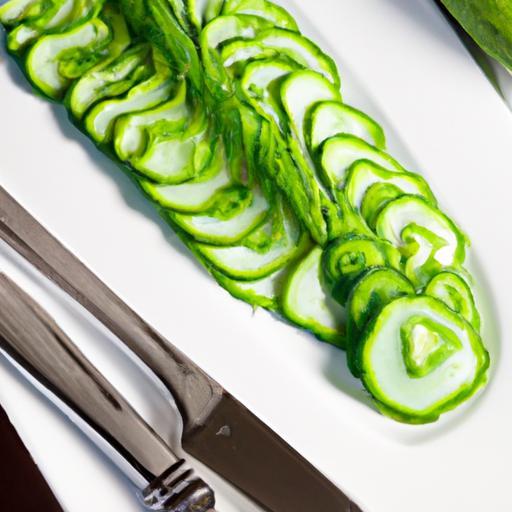
Crisp, refreshing, and ever-present in salads around the world, the cucumber has long been a kitchen staple-but is it truly a vegetable, or is it a fruit masquerading in verdant disguise? This seemingly simple question has sparked a surprisingly complex debate that blends science, culinary tradition, and a touch of botanical intrigue. In this article, we’ll peel back the layers of cucumber classification, exploring its botanical origins, culinary roles, and cultural interpretations to unravel the crisp confusion once and for all.Whether you slice it, pickle it, or blend it into a smoothie, join us as we navigate the fascinating journey of the cucumber’s identity from garden bed to dinner plate.
Crisp confusion often arises when discussing cucumbers,a vegetable-fruit hybrid that enchants kitchens worldwide with its refreshing crunch and subtle flavor. Rooted in botanical complexity and cultural nuances, cucumbers delight both as culinary staples and nutritional powerhouses. Understanding their multifaceted identity unlocks inspiration for creative dishes that showcase their versatility.Whether tossed in salads, pickled, or infused into chilled soups, cucumbers bring a refreshing vibrancy to every bite.
Prep and Cook Time
- Preparation: 10 minutes
- Cooking: 0 minutes (served raw or pickled)
- Total: 10 minutes
Yield
- Serves 4 as a side or snack
Difficulty Level
- Easy
Ingredients
- 2 medium cucumbers, peeled and thinly sliced
- 1/2 cup greek yogurt, plain and full-fat
- 1 garlic clove, finely minced
- 1 tablespoon fresh dill, chopped
- 1 tablespoon fresh lemon juice
- 1 teaspoon extra virgin olive oil
- salt and freshly ground black pepper, to taste
- Optional: 1 teaspoon ground cumin or a pinch of chili flakes for a subtle kick
Instructions
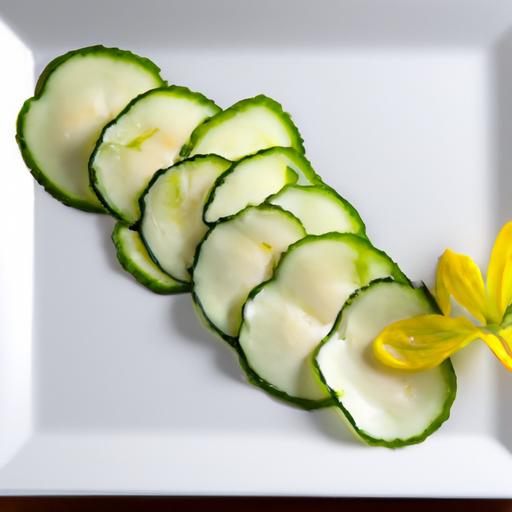
- Start by preparing the cucumbers. Wash,peel if desired for a smoother texture,and slice them paper-thin-this enhances the way they meld with creamy elements and absorb flavors.
- Combine the yogurt, garlic, lemon juice, and olive oil in a mixing bowl. Whisk until the mixture is smooth and slightly thickened, creating a fresh, tangy base reminiscent of Mediterranean tzatziki.
- Gently fold in the cucumber slices and chopped dill. This preserves the cucumbers’ crispness while coating every piece with fragrant, herbal notes.
- season generously with salt and pepper. taste and adjust seasoning-this is the key to balancing the freshness and delivering a vibrant punch.
- Cover and chill for at least 30 minutes. Letting the flavors meld intensifies the dish, allowing the subtle sweetness of the cucumber to shine through.
- before serving, stir gently and drizzle a tiny bit of olive oil on top for an inviting sheen and enhanced mouthfeel.
Chef’s Notes
- Variation: Add finely diced mint or parsley for a fresh twist and a pop of color.
- Substitution: Use dairy-free yogurt alternatives to make it vegan-pleasant without sacrificing creaminess.
- Texture Tip: Salting cucumber slices lightly beforehand and draining excess water prevents watery tzatziki and keeps your dish beautifully crisp.
- Make-Ahead: This dish can be prepared up to 24 hours in advance, allowing the flavors more time to develop. Just stir gently before serving.
Serving Suggestions
Serve chilled as a refreshing side alongside grilled meats, vibrant vegetable platters, or as a cooling dip with warm pitas and herb-infused olive oils. Garnish with a sprig of dill, a sprinkle of cracked pepper, or a few edible flowers for an elegant touch. This dish’s visual contrast of creamy whites and verdant greens-paired with the shimmering olive oil drizzle-makes for an inviting presentation sure to impress guests.
| Nutrient | Per Serving | % Daily Value* |
|---|---|---|
| Calories | 85 kcal | 4% |
| Protein | 4 g | 8% |
| Carbohydrates | 6 g | 2% |
| Fat | 5 g | 7% |
*Percent Daily Values are based on a 2,000 calorie diet.

Deepening your understanding of cucumbers’ botanical and culinary roles elevates your kitchen game and nourishes body and palate alike. Curious about other versatile ingredients that spark culinary creativity? Explore our related guide on versatile vegetables for more inspiration. For scientific insights on cucumber classification, refer to Encyclopaedia Britannica.
Q&A
Q&A: Crisp Confusion – Unraveling the Cucumber Fruit vs. Veg Debate
Q1: Is a cucumber a fruit or a vegetable?
A1: Botanically speaking,a cucumber is a fruit because it develops from the flower of the cucumber plant and contains seeds. Though, in culinary contexts, it is indeed frequently enough treated as a vegetable due to its savory flavor and common use in salads and savory dishes.
Q2: Why does the cucumber’s classification cause confusion?
A2: The confusion stems from two different classification systems: botanical and culinary. Botanists classify plants based on reproductive parts, meaning anything that develops from a flower and has seeds is a fruit. Cooks classify based on flavor and usage, grouping cucumbers with vegetables as they are not sweet like most fruits.
Q3: What makes a fruit a fruit in botanical terms?
A3: From a botanical outlook, a fruit is the mature ovary of a flower, usually containing seeds. This definition includes cucumbers, tomatoes, peppers, and even pumpkins-all fruits, despite their common culinary roles.
Q4: How do cucumbers taste compared to typical fruits?
A4: Cucumbers have a subtle, mild, and refreshing flavor with high water content and are not sweet.This contrasts with most fruits, which are often juicy and sugary, making cucumbers fit better in savory dishes.
Q5: Can you give an example where cucumber is treated like a fruit?
A5: In some pickling recipes, cucumbers are transformed into sweet pickles or relishes, highlighting their versatility and fruit-like potential. Also, smoothies and cold soups sometimes use cucumber’s fresh flavor in a fruity context.
Q6: Is the cucumber’s classification unique?
A6: Not at all! Manny garden staples share this dual identity-tomatoes, squash, peas, and avocados are other famous “fruits that wear vegetables’ clothing,” highlighting the delightful complexity of our food world.
Q7: Why does this debate matter?
A7: Understanding the cucumber’s dual nature enriches our appreciation of food science, gardening, and cooking. It reminds us that nature doesn’t always fit neatly into our categories, sparking curiosity and deeper knowledge.
Q8: So, what’s the final verdict?
A8: the cucumber is both fruit and vegetable, depending on who you ask.Botanically a fruit, culinarily a vegetable. Embrace the confusion-it’s part of what makes this crisp, green delight so fascinating!
Key Takeaways
As we slice through the layers of botanical classification and culinary custom, the humble cucumber emerges not just as a refreshing staple in our salads but as a fascinating example of nature’s complexities and human perspectives. Whether you see it as a fruit flaunting seeds or a vegetable gracing savory dishes, the cucumber defies simple labels, reminding us that sometimes, the crispest debates are the ones that keep curiosity fresh. Next time you crunch into this green marvel, savor not only its cool flavor but also the rich story it carries-from garden patch to dinner plate, blurring boundaries and inviting us to appreciate the delightful confusion within.