
When it comes to cooking chicken, achieving that perfect bite-juicy, tender, and safe-is both an art and a science. Too little heat, and you risk a risky meal; too much, and your chicken transforms into a dry, flavorless chore. But fear not: understanding the essential cooking temperatures is the key to unlocking chicken perfection every time. In this guide,we’ll peel back the layers of culinary mystery to reveal exactly how hot your chicken needs to get,why these temperatures matter,and how you can use them to elevate your home-cooked meals from ordinary to extraordinary. Get ready to take your poultry prowess to new heights-your taste buds will thank you.
Unlocking Perfect chicken: The Essential Cooking Temperatures is truly a game-changer when it comes to achieving tender, juicy poultry every time. Whether you’re working with succulent thighs, delicate breasts, or juicy drumsticks, mastering the precise internal temperature unlocks the secret to restaurant-quality results right in your own kitchen. Over the years, I’ve discovered that exact temperature control isn’t just about food safety-it’s about elevating the flavor, texture, and overall dining experience. Let’s dive into the tools, techniques, and temperature tips that will transform how you cook chicken.
Prep and Cook Time
- planning: 10 minutes
- Cooking: 20-45 minutes (varies by cut and method)
- Total Time: 30-55 minutes
Yield
- Serves 4
Difficulty Level
- Easy to Medium
Ingredients
- 4 bone-in chicken thighs, skin-on
- 2 boneless chicken breasts, skinless
- 4 chicken drumsticks, skin-on
- 2 tablespoons olive oil
- Salt and freshly ground black pepper, to taste
- Fresh herbs (thyme, rosemary) for garnish
- Optional marinade or spice rub of your choice
Instructions
- Prepare the chicken: Pat the chicken dry with paper towels for crispier skin and even cooking. Season liberally with salt and pepper. If using a marinade or rub, apply evenly and let rest for 15-30 minutes at room temperature.
- Preheat your cooking surface: Whether grilling, roasting, or sous vide, bring your all-important tools up to the right temperature. For oven roasting, preheat to 400°F (204°C). For grilling, bring heat to medium-high, around 375°F-400°F.
- Use an instant-read thermometer: Insert into the thickest part of the chicken without touching the bone. Chicken safety guidelines recommend an internal temperature of 165°F (74°C) for white meat like breasts and 175°F (79°C) for dark meat such as thighs and drumsticks to ensure juiciness and thorough cooking.
- Grilling: Place chicken skin-side down on the grill. Grill thighs and drumsticks for about 6-8 minutes per side. Breasts need 5-7 minutes per side. Keep the lid closed for even cooking, and check temp frequently to avoid overcooking.
- Oven roasting: Arrange chicken pieces on a baking tray lined with parchment. Roast skin-side up. Thighs and drumsticks take about 40-45 minutes; breasts around 25-30 minutes. Begin checking temperature after 20 minutes to prevent drying out.
- Sous vide technique: Seal chicken in vacuum bags with a light drizzle of oil and herbs. cook breasts at 146°F (63°C) for 1-2 hours for perfectly tender results; thighs at 165°F (74°C) for 2-3 hours for juicy pull-apart texture. Finish in a hot skillet to crisp skin.
- Rest the chicken: Once the ideal temperature is reached, remove the chicken and let it rest for 5-10 minutes. This step allows juices to redistribute, locking in that mouthwatering moisture.
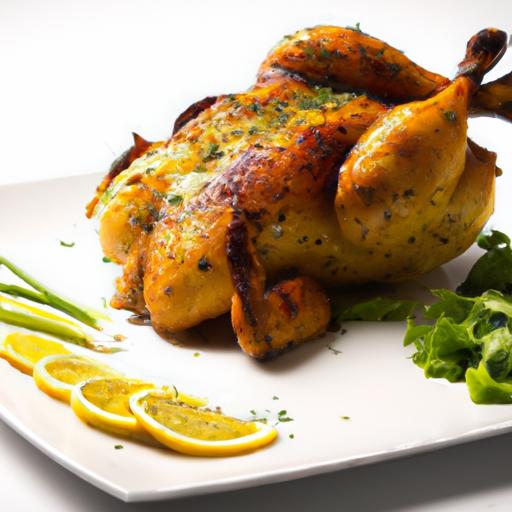
- Serve and garnish: Present the chicken on a warmed platter, sprinkled with freshly chopped herbs or a squeeze of lemon to brighten the flavors.
Tips for Success
- Invest in a quality instant-read thermometer: Accuracy is everything-avoid guessing, as under- or over-cooked chicken can compromise both taste and safety.
- Know your chicken cuts: dark meat (thighs,drumsticks) requires higher internal temps for tenderness,while white meat (breasts) benefits from lower temps to maintain juiciness.
- Use carryover cooking to your advantage: remove the chicken a few degrees shy of the target temperature; residual heat will finish cooking during resting.
- For grilling: Use a two-zone fire setup-direct heat for searing, and indirect heat for finishing thick pieces gently.
- Marinate strategically: Acidic marinades can tenderize but also cook protein if left too long. Limit marinating time to 1-2 hours for best texture.
- Make-ahead: Cook chicken sous vide in advance, then sear just before serving for an efficient, elegant meal prep.
Serving Suggestions
- Pair grilled thighs and drumsticks with a fresh summer salad tossed in lemon vinaigrette.
- Serve roasted chicken breasts sliced over creamy mashed potatoes drizzled with pan jus.
- Accompany sous vide chicken with roasted seasonal vegetables and a dollop of herb butter.
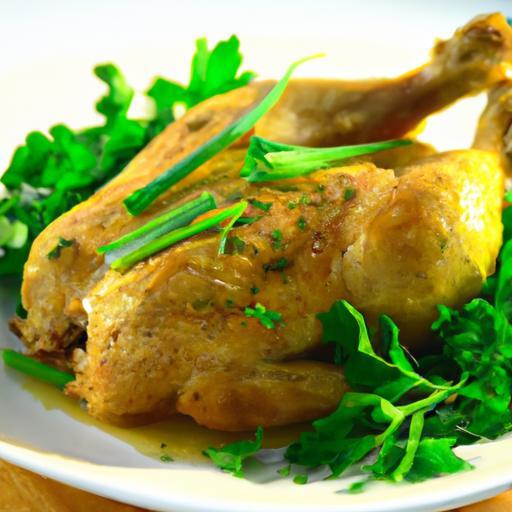
- Garnish with freshly chopped parsley,thyme sprigs,and a few lemon wedges to add color and brightness.

| Cut | safe Internal Temperature | Recommended Rest Time | Ideal Texture |
|---|---|---|---|
| Boneless Breast | 165°F (74°C) | 5 minutes | Juicy,tender |
| Bone-in Thighs | 175°F (79°C) | 10 minutes | Moist,pull-apart tender |
| Drumsticks | 175°F (79°C) | 10 minutes | Succulent,flavorful |
For more tips on grilling techniques,explore our Grilling Techniques for poultry guide. To stay abreast of official food safety standards, check the USDA’s guidelines on chicken here.
Q&A
Q&A: Unlocking Perfect chicken – the Essential Cooking Temperatures
Q1: Why is cooking chicken to the right temperature so important?
A1: Cooking chicken to the correct temperature isn’t just about taste – it’s a matter of safety. Undercooked chicken can harbor harmful bacteria like salmonella, posing health risks. But overcooked chicken? It’s dry, tough, and disappointing. Striking the perfect temperature ensures a juicy, flavorful meal that’s safe to enjoy.Q2: What is the ideal internal temperature for perfectly cooked chicken?
A2: The golden rule is 165°F (74°C). At this temperature, harmful pathogens are effectively destroyed. Whether it’s a whole bird, breasts, or thighs, aiming for 165°F guarantees safety without sacrificing tenderness and moisture.
Q3: Can I cook chicken at a lower temperature for longer?
A3: Yes! Slow and low can produce incredibly tender chicken,thanks to collagen breaking down. Though, when cooking below 165°F, you need to hold it at that lower temperature for a longer time to ensure all bacteria are killed. This technique is more advanced and demands precise temperature control.
Q4: How can I accurately check my chicken’s temperature?
A4: Invest in a reliable instant-read meat thermometer. Insert it into the thickest part of the chicken-avoiding bones-to get an accurate reading. This tool is your best ally in unlocking consistently perfect chicken every time.
Q5: Is there a difference in temperature depending on the chicken cut?
A5: The USDA recommends 165°F for all chicken cuts, but dark meat (thighs and drumsticks) can be cooked a bit longer without drying out due to higher fat content. some chefs prefer dark meat at around 175°F (79°C) for enhanced tenderness, but safety always comes first.
Q6: What happens if I remove the chicken from heat before it reaches 165°F?
A6: Removing chicken too early risks foodborne illness as bacteria may survive. Though, carryover cooking-residual heat after removing from the oven or grill-can raise the temperature by a few degrees. Just make sure your initial temp is close enough to 165°F to allow for this.
Q7: Can resting the chicken after cooking affect its temperature?
A7: Absolutely! Letting chicken rest for 5-10 minutes lets the juices redistribute and temperature to stabilize. During this time, the internal temp can climb a couple of degrees, completing the cooking process.
Q8: Any tips for cooking juicy, flavorful chicken beyond temperature control?
A8: Definitely! Brining adds moisture and flavor, while marinating injects taste deep into the meat.Also, avoid overhandling, and use indirect heat or oven roasting for even cooking. Remember, temperature is your foundation, but technique builds the masterpiece.
Unlock the secret to perfect chicken every time by mastering the essential cooking temperatures – your palate and your guests will thank you!
To Conclude
As the final thermometer beep signals success, remember that unlocking the secret to perfect chicken isn’t just about hitting the right number-it’s about understanding the science behind every juicy bite. With the essential cooking temperatures now in your culinary arsenal, you can confidently transform any chicken dish from ordinary to extraordinary. So next time you here that sizzle, let precision guide your hand, and savor the harmony of safety, flavor, and texture that only perfectly cooked chicken can deliver. Your taste buds-and your dinner guests-will thank you.