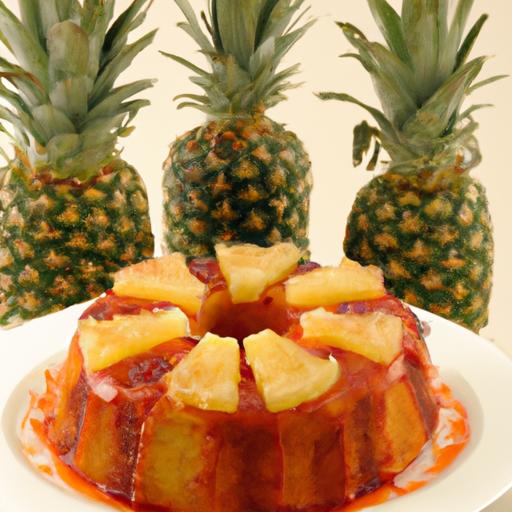

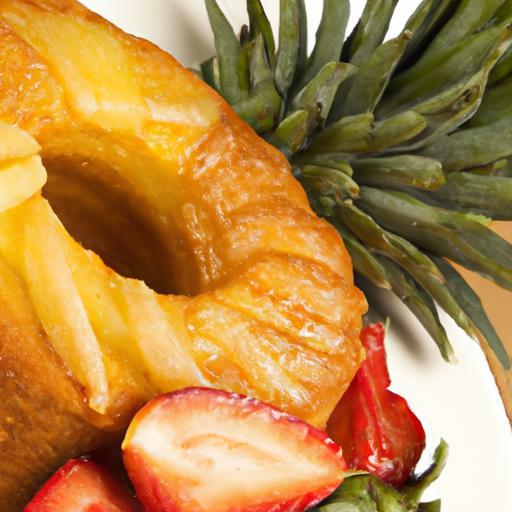
There’s something irresistibly nostalgic about a pineapple upside down cake-the gleaming caramelized crown of golden rings, the tender, buttery crumb beneath, and that perfect balance of sweet and tangy in every bite. But beneath its cheerful, retro charm lies a engaging chemical and culinary ballet: a dance of sugars, acids, and heat transforming humble ingredients into a luscious masterpiece. In this article, we’ll dive deep into the sweet science behind perfect pineapple upside down cake, unraveling how caramelization, Maillard reactions, and the interplay of pineapple’s natural enzymes all work in harmony to create a dessert that’s as much a science experiment as it is a timeless treat. Whether you’re a seasoned baker or a curious foodie,get ready to unlock the secrets that make this cake truly sing.
The Sweet Science Behind Perfect Pineapple Upside Down Cake
unlocking the secret to a luscious pineapple upside down cake hinges on understanding the caramelization process and selecting the perfect pineapple, wich elevates this classic dessert into a symphony of tropical sweetness and tender crumb perfection. Each element, from fruit to batter, plays a vital role in crafting that iconic golden finish and irresistibly moist texture.
Prep and Cook Time
- Readiness: 20 minutes
- cooking: 45 minutes
- Cooling: 15 minutes
Yield
Serves 8 generous slices
Difficulty Level
Medium – beginner bakers wiht patience will find success easily
Ingredients
- For the Topping:
- 1/2 cup unsalted butter (1 stick)
- 2/3 cup light brown sugar, packed
- 1 large ripe pineapple, peeled, cored, and sliced into 8 rings
- 8 maraschino cherries (optional, for garnish)
- For the Cake Batter:
- 1 1/2 cups all-purpose flour, sifted
- 2 teaspoons baking powder
- 1/4 teaspoon fine sea salt
- 1/2 cup whole milk, at room temperature
- 1 teaspoon vanilla extract
- 2 large eggs, at room temperature
- 3/4 cup granulated sugar
- 1/3 cup unsalted butter, softened
Instructions
- Prepare the Caramelized Topping: In a 9-inch round cake pan, melt 1/2 cup butter over medium heat. Once melted, stir in 2/3 cup brown sugar and cook gently until bubbling and starting to caramelize, about 3-4 minutes, ensuring it doesn’t burn. Remove from heat.
- Arrange Pineapple: Lay the pineapple rings flat over the caramel in a single layer. If you like, place a maraschino cherry in the center of each ring for visual appeal.
- Mix Dry Ingredients: In a medium bowl,whisk together all-purpose flour,baking powder,and salt until evenly combined. Set aside.
- Create Batter Base: In a large mixing bowl, beat softened butter and granulated sugar until fluffy and pale (about 3-4 minutes). This aeration is crucial for tender crumb.
- Incorporate Eggs and Vanilla: Add eggs one at a time, beating each until fully combined, then mix in vanilla extract.
- Alternate Adding Dry Ingredients and Milk: Reduce mixer speed to low.Add dry ingredients in three parts, alternating with milk (starting and ending with dry). Mix just until smooth – overmixing toughens the cake.
- Pour Batter Over Pineapple: Gently spoon the prepared batter over the pineapple layer, smoothing the top with a spatula for an even surface. This ensures consistent baking and an attractive finish.
- Bake: Place in a preheated oven at 350°F (175°C) for 40-45 minutes. Test doneness by inserting a toothpick into the center-it should come out clean or with a few moist crumbs.
- Cool and Invert: Let the cake cool in the pan for 15 minutes. Run a knife around the edges, then carefully invert onto a serving plate. The caramelized fruit should glisten atop, showcasing an inviting golden crust.
Tips for Success: Mastering Batter Consistency and fruit Selection
- Choose Pineapples Wisely: Opt for pineapples with a vibrant golden color and a fruity, sweet aroma near the base. These are signs of ripeness and juiciness essential for that natural tropical sweetness.
- Caramelization Nuance: Patience during the caramel stage is key; when brown sugar and butter meld perfectly, it creates a rich, almost toffee-like flavor-avoid rushing to prevent burning and bitterness.
- Batter Texture: Aim for a medium-thick batter that easily ribbons off your spatula. If too thin, the cake might potentially be dense; too thick, and it won’t rise properly.
- Even Top Surface: use a rubber spatula to gently smooth the batter after pouring to avoid air pockets and uneven baking.
- Make-Ahead: the cake actually improves after a day as flavors meld. Store covered at room temperature and serve slightly warmed or chilled.
Serving Suggestions
Serve slices warm with a scoop of vanilla bean ice cream or a dollop of freshly whipped cream. garnish plates with a sprig of fresh mint or a light drizzle of caramel sauce to highlight the luscious caramel notes. For an elevated brunch, pair with a sparkling pineapple mimosa to echo the cake’s tropical charm.

| Nutrient | Per Serving |
|---|---|
| Calories | 320 |
| Protein | 4g |
| Carbohydrates | 45g |
| Fat | 12g |
For further exploration into baking the perfect moist and tender cake, visit our extensive guide on cake moisture techniques. To deepen your understanding of caramelization chemistry, the American Chemical Society offers excellent insights.
Q&A
Q&A: The Sweet Science Behind Perfect Pineapple Upside Down Cake
Q: What makes pineapple upside down cake so uniquely flavorful?
A: Pineapple upside down cake combines a medley of textures and flavors that dance on your palate. The caramelized sugar and butter meld with the tangy sweetness of pineapple rings, creating a glossy, sticky crown atop a tender, buttery cake. The magic lies in the Maillard reaction-where sugars and proteins brown under heat-forming that irresistible golden crust layered with fruity goodness.
Q: Why do we bake the cake “upside down”? Couldn’t we just mix pineapples in the batter?
A: Baking it upside down isn’t just tradition; it’s science and art in one. Placing fruit and sugar at the bottom of the pan means as the cake bakes, the sugars melt and caramelize, draping the pineapple in a rich glaze. When flipped, the pineapple forms a juicy, glossy topping that’s impossible to replicate by merely mixing fruit into the batter.
Q: How does caramelization affect the flavor and texture?
A: Caramelization is the sugar-sizzling star of this dessert’s show.As the brown sugar and butter heat,molecules break down and reform into complex flavor compounds: deep,nutty,and buttery notes with hints of toffee. This process also creates a sticky syrup that seeps into the pineapple and cake edges, adding moistness and that luxe, shiny finish.
Q: What role does pineapple’s acidity play in the cake’s chemistry?
A: Pineapple is naturally high in citric and malic acids, which tenderize the cake by breaking down gluten strands as it bakes. This acidity also balances the sweetness, preventing the cake from tasting cloying. Plus, the acid interacts with baking soda or baking powder, helping the cake rise to a light, fluffy crumb.Q: Can the type of pineapple affect the final result?
A: Absolutely! Fresh pineapples offer juicier, more vibrant flavor, but canned pineapple-frequently enough packed with juice and sometimes extra sugar-can give more consistent sweetness and moisture. the key is selecting ripe, firm slices; too soft, and the fruit becomes mushy during caramelization, too firm, and it may not soften enough to blend seamlessly with the cake.
Q: What’s the secret to achieving that perfect moistness in the cake layer?
A: The secret lies in balancing fat, sugar, and liquid, plus proper mixing technique. Butter provides richness; sugar locks in moisture through hygroscopic properties; and the pineapple juices subtly infuse the batter during baking.Overmixing, however, can develop gluten and toughen the crumb-gentle folding ensures a tender texture.
Q: Why is it important to let the cake cool before flipping it?
A: Patience pays off! Allowing the cake to rest for 10-15 minutes lets the caramelized topping set just enough to hold together. Flip it too soon, and the gooey sugar may spill and stick to the pan, ruining the stunning pattern. Plus, it prevents cracking and ensures the pineapple rings remain intact and glossy on top.
Q: Are there any scientific tweaks to elevate this classic dessert?
A: Without a doubt! Adding a pinch of baking soda can enhance browning due to increased alkalinity,boosting caramelization depth. Incorporating a splash of rum or vanilla extract adds aromatic complexity. Experimenting with brown butter instead of regular butter introduces nutty notes, while folding crushed pineapple into the batter increases moisture and tartness.
Q: Can the principles behind pineapple upside down cake be applied to other desserts?
A: Definitely! The concept of caramelizing fruit beneath a batter works splendidly with peaches, apples, pears, or even figs. Understanding how sugar, acidity, and heat interact allows bakers to craft countless upside down desserts, each with their own unique chemistry and charm.
Q: Summing it up, what’s the “sweet science” that turns a humble cake into pineapple upside down perfection?
A: It’s the harmonious marriage of caramelization and acidity, texture and moisture, heat and chemistry. The sugar and butter transform into luscious caramel; the pineapple lends juicy tartness and tenderizing acids; and the cake batter rises into a soft, buttery cushion. Flip it, and you reveal a glossy, golden mosaic that’s a feast for all senses-a perfect blend of science and soul.
To Conclude
As the last golden ring of pineapple caramelizes into a luscious crown, we glimpse the true magic behind the classic pineapple upside down cake-a harmonious dance of chemistry and culinary craft.from the precise balance of sugar and acid to the transformative power of heat unfolding in the pan,this beloved dessert is more than just a treat; it’s a testament to how science sweetens our traditions. So next time you slice through that glossy top, savor not only the flavors but also the fascinating science that makes each bite perfectly sublime.