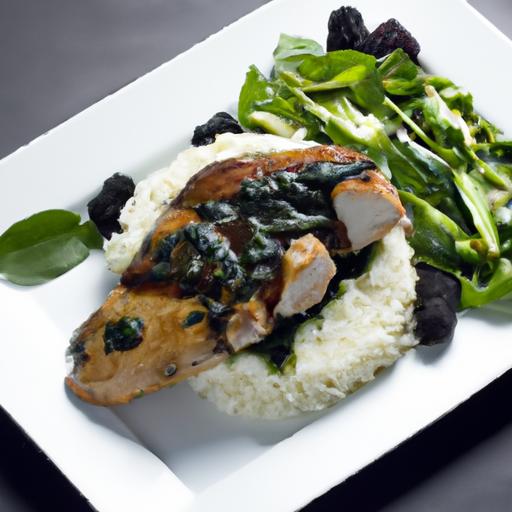

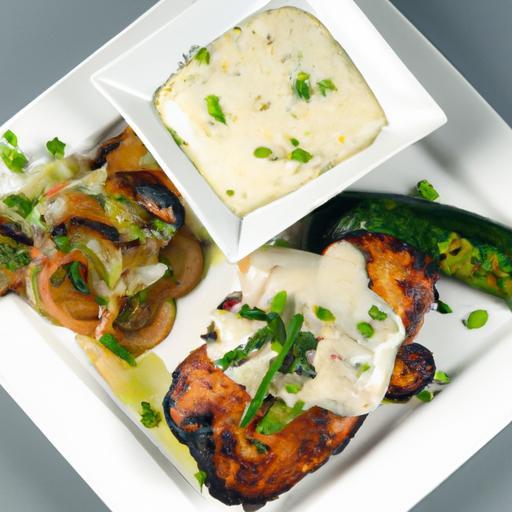
In kitchens across america, a quiet culinary revolution is simmering-one that brings with it a rich tapestry of history, culture, and flavor. Black chicken, with its striking ebony feathers and tender, nutrient-dense meat, is stepping out from the shadows of obscurity and into the spotlight of modern gastronomy. But this isn’t just a story about a poultry breed; it’s a narrative woven from centuries-old traditions, ancient medicinal wisdom, and evolving palates. Join us as we trace the rise and roots of black chicken in America’s kitchens, uncovering how this once niche ingredient has captured the hearts-and appetites-of chefs, home cooks, and food lovers alike.
The Rise and Roots of Black Chicken in America’s Kitchens has captured the curiosity and palates of food lovers seeking rich history and remarkable flavor. This distinctive poultry, often overlooked in mainstream recipes, carries a legacy steeped in tradition and nourishment. Known for its striking ebony skin and deeply savory taste, black chicken has become an emblem of southern and soul food cuisine, marrying cultural heritage with extraordinary nutrition.
Prep and Cook Time
- Readiness: 15 minutes
- Cooking: 1 hour 10 minutes
- Total Time: 1 hour 25 minutes
Yield
- Serves 4-6 people generously
Difficulty Level
- Medium (perfect for home cooks ready to explore soulful flavors)
Ingredients
- 1 whole black chicken (about 3-4 lbs),cleaned and patted dry
- 2 tbsp olive oil or rendered chicken fat
- 1 large onion,thinly sliced
- 4 cloves garlic,minced
- 1-inch piece of fresh ginger,grated
- 2 cups low-sodium chicken broth
- 1 cup chopped collard greens
- 1 tbsp smoked paprika
- 1 tsp dried thyme
- 1 tsp crushed red pepper flakes (optional for smoky heat)
- salt and freshly ground black pepper,to taste
- Juice of 1 lemon for finishing
- Fresh parsley for garnish
Instructions
- Prepare the chicken: Pat the whole black chicken dry with paper towels. This step is crucial for achieving a golden, crispy skin during roasting.
- Season evenly: Rub the black chicken inside and out with salt, pepper, smoked paprika, and dried thyme. Allow it to rest at room temperature for 15 minutes to absorb the spices.
- Brown the chicken: In a large heavy skillet or Dutch oven, heat olive oil over medium-high heat. Add the chicken breast-side down frist,searing until deeply browned,about 6-7 minutes. Flip and brown the other side for 5 minutes. Remove and set aside.
- Sauté aromatics: in the same skillet, lower the heat to medium, add the sliced onion, garlic, and grated ginger. Sauté until golden and fragrant, approximately 5 minutes, stirring occasionally to prevent sticking.
- Deglaze and simmer: Pour in the chicken broth to deglaze the pan, scraping up flavorful browned bits from the bottom. Stir in collard greens and crushed red pepper flakes (if using).
- Return chicken to pot: Nestle the black chicken back into the skillet or transfer everything into a roasting pan if preferred. Cover and cook in a preheated 350°F oven for 50-60 minutes, or until the internal temperature reaches 165°F.
- Finish with freshness: Remove the chicken carefully and rest for 10 minutes. Squeeze fresh lemon juice over the greens and chicken to brighten the rich flavors.
- Garnish and serve: Plate the chicken, spoon the braised collard greens alongside, and sprinkle with chopped fresh parsley for a vibrant finish.
Tips for Success
- Choose a fresh black chicken from local markets or specialty grocers for maximum flavor and ethical sourcing.
- If whole black chicken is unavailable, use black chicken thighs or drumsticks, adjusting cooking time to 40-45 minutes.
- For extra tenderness, marinate the chicken overnight in buttermilk with spices to enhance moisture and tenderness.
- To amplify the smoky flavor, consider adding a dash of liquid smoke or cooking with smoked paprika.
- Leftovers reheat beautifully in a covered skillet over low heat, with a splash of broth to maintain moisture.
Serving Suggestions
Enjoy this black chicken with classic southern sides like creamy mashed sweet potatoes or fluffy cornbread. For a brighter contrast, pair it with a crisp cucumber salad or pickled vegetables. Garnish with fresh parsley or thin lemon slices to elevate the plate visually and flavor-wise.
this dish also pairs wonderfully with a chilled glass of sweet iced tea or a fruity red wine, marrying the rich, earthy flavors with refreshing balance.

| Nutrient | Amount per Serving |
|---|---|
| Calories | 320 kcal |
| Protein | 38 g |
| Carbohydrates | 5 g |
| Fat | 14 g |
For more inspiration on classic southern recipes that feature nutrient-rich ingredients, check out our southern soul food recipes. To learn more about black chicken’s unique nutritional profile, visit the Nutritional Outlook for detailed insights.
Q&A
Q&A: The Rise and Roots of Black Chicken in America’s Kitchens
Q1: What exactly is black chicken?
Black chicken,frequently enough referred to as Ayam Cemani or Silkie depending on the breed,is a engaging bird known for its striking black feathers,skin,bones,and even organs. It’s not just a curious culinary oddity but a bird steeped in cultural significance and rich flavor, making it a prized ingredient in kitchens across America.
Q2: Where does black chicken originally come from?
Black chicken breeds like the Ayam Cemani trace their origins to Indonesia,while Silkies come from China. Historically, these chickens have been revered in their native lands for mystical and medicinal attributes. Their journey to America is a story of migration and cultural exchange, blending tradition with the evolving American culinary landscape.
Q3: how did black chicken find its way into American cuisine?
In recent decades, America’s growing interest in global flavors and ancestral foods has paved the way for black chicken to enter mainstream kitchens. Immigrant communities brought their culinary traditions, while adventurous chefs and food enthusiasts began experimenting with black chicken’s unique taste and visual appeal, elevating it from a niche curiosity to a sought-after gourmet ingredient.
Q4: What makes black chicken special in cooking?
Beyond its dramatic appearance, black chicken offers a deeper, richer flavor compared to conventional chickens-frequently enough described as earthier and more intense. Its texture and nutritional profile, higher in certain antioxidants and amino acids, add to its allure. It’s as much a visual centerpiece as a flavor star, inspiring colorful and creative dishes.
Q5: How is black chicken typically prepared in American kitchens?
American chefs and home cooks use black chicken in a variety of ways, from slow braises and rich stews to roasted delicacies and even fusion dishes combining classic recipes with Asian influences. Its ability to absorb bold spices and herbs makes it a versatile canvas, while its dramatic color brings an element of storytelling to the plate.
Q6: What cultural meanings does black chicken hold?
In many cultures, black chicken is associated with healing, luck, and spiritual protection. In America, incorporating black chicken into cooking often represents a party of heritage, diversity, and the growing curiosity for ingredients that carry history and meaning. It’s as much about connection and identity as it is indeed about taste.Q7: What does the future hold for black chicken in American culinary trends?
As America’s palate becomes more adventurous and globally minded, black chicken is poised to move beyond specialty markets and into wider use. From farm-to-table restaurants to backyard coops, black chicken embodies a blend of tradition, nutrition, and culinary artistry that aligns perfectly with contemporary movements toward sustainability and ancestral eating.
Q8: Where can curious cooks find black chicken today?
Farmers markets, specialty butchers, and online purveyors increasingly offer black chicken as demand grows. For those eager to experiment, sourcing it can be a rewarding adventure into the world of rare poultry, offering a chance to explore flavors, textures, and histories not found on every grocery shelf.
By exploring black chicken’s roots and rise, we uncover more than just a food trend-we discover a living story of culture, flavor, and innovation flourishing in America’s kitchens.
Final Thoughts
As the aroma of simmering spices and tender black chicken continues to waft through American kitchens, it’s clear that this dish is far more than just a meal-it’s a vibrant tapestry of history, culture, and resilience. From its humble roots forged in African and Southern traditions to its celebrated place on contemporary tables, black chicken embodies a culinary journey that speaks to the rich diversity and evolving tastes of America. Whether you’re savoring a classic stew or experimenting with innovative recipes, embracing black chicken is a way to honour the past while nourishing the present, reminding us all that food carries the stories of generations-a delicious legacy waiting to be shared, one bite at a time.