
When it comes to cooking chicken thighs, the secret to juicy, flavorful perfection lies hidden in one crucial detail: temperature. Too low, and you risk a chewy, undercooked center; too high, and dryness creeps in, stealing the succulence you crave. But fear not-mastering the perfect chicken thigh temp isn’t a culinary mystery reserved for pros. With a little science, a trusty thermometer, and some tried-and-true tips, anyone can achieve tender, safe, mouthwatering chicken thighs every single time. In this article, we’ll unlock the golden temperature zone that guarantees juicy, safe chicken thighs, making your next meal a triumph of taste and technique.
Nailing the perfect chicken thigh temp is the secret to unlocking tender, juicy, and safe-to-eat results every time. Achieving that ideal doneness isn’t just about cooking longer or shorter-it’s an art and science combined in one delicious bite. Chicken thighs bring rich flavor and moistness, but without mastering their temperature, you risk dryness or, worse, unsafe poultry. today, let’s dive into expert tips for understanding temperature ranges, using precision tools, and resting your thighs for an explosion of flavor that stops every forkful short of perfection.
Prep and Cook Time
- Planning: 10 minutes
- Cooking: 25-30 minutes
- Resting: 5-7 minutes
- Total: Approximately 45 minutes
Yield
Serves 4 hearty portions
Difficulty Level
Easy to Medium: Perfect for home cooks ready to elevate their poultry skills with reliable doneness every time.
Ingredients
- 4 bone-in, skin-on chicken thighs
- 2 tbsp olive oil
- 1 tsp smoked paprika
- 1 tsp garlic powder
- ½ tsp freshly ground black pepper
- 1 tsp kosher salt
- Fresh thyme sprigs (optional, for garnish)
- Juice of ½ lemon (optional, for a bright finish)
Instructions
- Preheat your oven to 400°F (204°C), ensuring a hot environment that crisps skin beautifully while keeping the meat tender.
- Pat dry the chicken thighs with paper towels. Moisture on the skin can prevent crisping-dry skin is key.
- Season evenly with smoked paprika, garlic powder, kosher salt, and black pepper. Pat the spice mix into the skin for a flavorful crust.
- Heat olive oil in an oven-safe skillet over medium-high heat. When shimmering, place the chicken thighs skin-side down.
- Sear the thighs until the skin is golden brown and crisp, about 5-7 minutes. avoid moving them too soon-let the crust form for excellent texture.
- Flip the thighs and transfer the skillet to the preheated oven. Roast for 15-20 minutes, or until the internal temperature reaches between 165°F and 175°F (74°C to 79°C).
- Use an instant-read thermometer inserted into the thickest part without touching bone to check temperature precisely. Aim for a minimum of 165°F for safety while appreciating that thighs remain juicy up to about 175°F.
- Rest the chicken for 5-7 minutes out of the oven, loosely tented with foil. This step lets juices redistribute, intensifying flavor and tenderness.
- Finish with a squeeze of fresh lemon juice and garnish with thyme sprigs before serving for an aromatic lift.
Chef’s Notes
- Temperature mastery: Rely on a digital instant-read thermometer-not just time estimates-to “nail the perfect chicken thigh temp.” Instant feedback ensures safety without overcooking.
- Thermometer tip: insert the probe sideways into the thickest part, away from bones, which can skew readings cold.
- Resting matters: Cutting promptly after cooking releases valuable juices. Waiting 5-7 minutes keeps your meat juicy and results in a soft mouthfeel.
- Skin crisping: Pat chicken dry and ensure skillet oil is hot for maximum Maillard reaction.
- make-ahead: Fully cooked thighs can be chilled and gently reheated in a covered skillet with a splash of broth.
Serving Suggestions
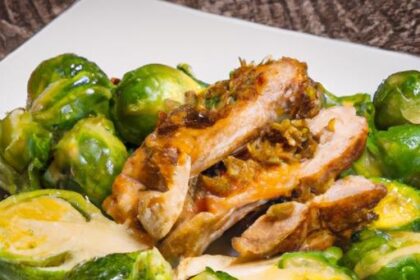
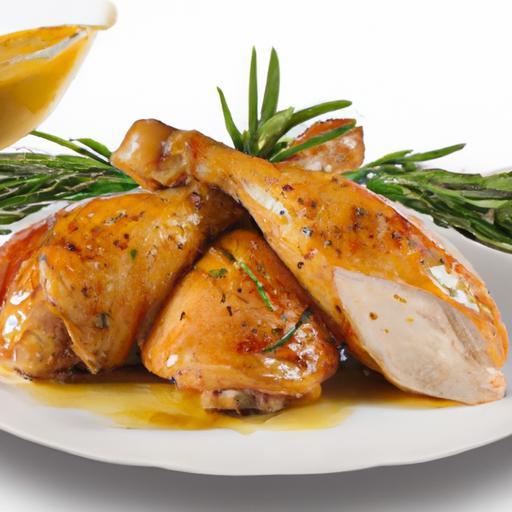
Serve these perfectly temped chicken thighs alongside roasted garlic mashed potatoes, sautéed green beans with almonds, or a refreshing cucumber salad. A drizzle of pan sauce made from drippings and a splash of white wine or chicken stock elevates the plate beautifully.Garnish with fresh thyme leaves and a lemon wedge to add brightness. Photography tip: Capture the crispy golden skin under natural light, showcasing the juicy interior with a gentle cut revealing the rich texture inside.
| Nutrient | Per Serving | % Daily Value* |
|---|---|---|
| Calories | 320 | 16% |
| Protein | 28g | 56% |
| carbohydrates | 1g | 0% |
| Fat | 22g | 34% |
*Percent daily values are based on a 2,000 calorie diet.
For more on temperature precision and poultry cooking techniques, explore our in-depth Ultimate Guide to Poultry Temperature.You’ll find even more tips to sharpen your kitchen skills.
To understand the science behind safe poultry temperatures, the USDA offers a thorough resource here: Safe Minimum Internal Temperature Chart.

Q&A
Q&A: Nailing the Perfect Chicken Thigh Temp – Juicy & Safe Every Time
Q1: Why is temperature so important when cooking chicken thighs?
A1: Temperature is your culinary compass for perfectly cooked chicken thighs.cook them too low, and you risk undercooking – hello, salmonella! Cook them too high or too long, and you’ll end up with dry, rubbery meat. Hitting that ideal temp ensures juicy,tender thighs that are safe to eat every time.
Q2: What is the ideal internal temperature for chicken thighs?
A2: The golden temperature is 165°F (74°C). At this sweet spot, the chicken’s proteins have fully coagulated to ensure safety without squeezing out all the juices. Trust the thermometer, not your guesswork!
Q3: Should I check the temperature at the thickest part or elsewhere?
A3: Always measure at the thickest part of the thigh, avoiding the bone. Bones conduct heat differently, and checking too close to the bone can give a false high reading. The thickest area gives the most accurate gauge of doneness.
Q4: Can I use a visual cue instead of a thermometer?
A4: While some pros swear by clear juices or firm flesh, these cues can be misleading-especially with dark meat like thighs. An instant-read thermometer is the reliable sidekick in your quest for juiciness and safety.
Q5: How do resting times affect the final temperature and juiciness?
A5: Resting is the unsung hero of juicy chicken. Once you pull thighs off the heat at 165°F, let them rest for 5-10 minutes. During this time, internal temperature can rise a few degrees (carryover cooking), and juices will redistribute, making each bite succulent.
Q6: What tips ensure my chicken thighs stay juicy after reaching the perfect temp?
A6: Beyond hitting 165°F, consider brining your thighs beforehand, cooking skin-on for crispness and moisture lock, and avoiding overcooking by monitoring with a thermometer. Low and slow cooking methods also help preserve juicy texture.
Q7: Is it safe to cook chicken thighs to a temperature higher than 165°F?
A7: Yes, cooking beyond 165°F is safe but not always ideal. Going too high will dry out the meat. However, slow-cooked dishes like stews often have thighs well above that temp and still turn out tender because of moisture and cooking time.
Q8: Does the cooking method affect the perfect temp?
A8: The 165°F rule stands firm across grilling, roasting, baking, or sous-vide. However, cooking methods impact texture and timing. For example,sous-vide lets you cook thighs safely at lower temps over longer periods for incredibly tender results.
Q9: How do bone-in vs. boneless chicken thighs affect cooking temp and safety?
A9: Bone-in thighs take a bit longer to reach the perfect temp due to the bone’s insulating effect, so always check near the thickest meat area. boneless thighs cook faster but can dry out more easily-temperature monitoring is crucial irrespective.
Mastering the chicken thigh temperature is where science meets succulent satisfaction. Armed with a trusty thermometer and these tips, juicy, safe, and flavorful thighs are in your future-every time you cook!
Closing Remarks
Mastering the perfect chicken thigh temperature is your golden ticket to juicy, flavorful, and safely cooked meals every time you step into the kitchen. With a trusty thermometer in hand and a keen understanding of thermal thresholds, you can say goodbye to guesswork and hello to confidence. Whether you’re roasting, grilling, or braising, hitting that sweet spot of heat ensures tender, succulent meat that’s bursting with taste-and entirely safe to savor. So, next time you cook chicken thighs, remember: precision is the secret ingredient to culinary success. Happy cooking, and here’s to perfectly juicy bites that dance on your palate with every forkful!