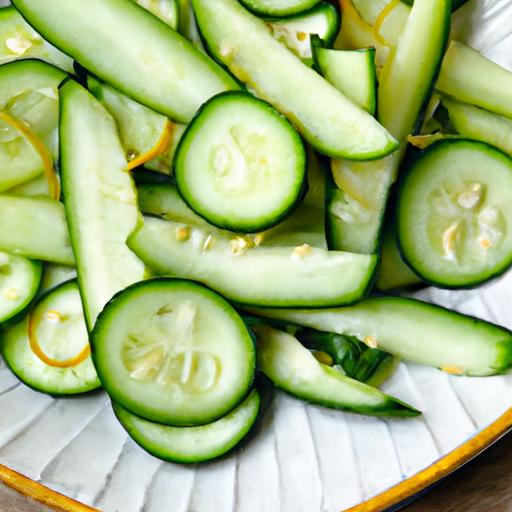

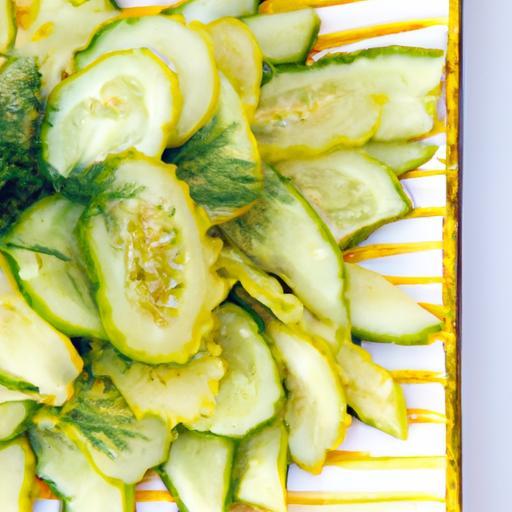
Cucumbers have long held a crunchy place in our salads and sandwiches, celebrated for their refreshing crispness and subtle flavor. But beneath their familiar green skin lies a botanical secret that frequently enough surprises even the most devoted veggie lovers: cucumbers are, actually, fruits. This engaging dual identity challenges the way we categorize our food and invites us to explore the curious world where culinary tradition meets scientific classification. Join us as we peel back the layers of the humble cucumber, uncovering its true nature and the reasons why it’s more than just a crunchy veggie on your plate.
Cucumbers: Crunchy Veggie or Secret fruit Unveiled? This refreshing green marvel has often sparked debates among gardeners and gourmands alike. Botanically classified as a fruit,yet so firmly embedded in the culinary world as a vegetable,cucumbers offer an intriguing intersection of science and flavor. Beyond taxonomy, it is their distinctive crunch and subtle, watery sweetness that elevate dishes from ordinary to unforgettable. Let’s dive deep into what defines this beloved ingredient-from its botanical identity and impressive nutritional benefits to creative culinary uses that will inspire your next meal.
Prep and cook Time
- Prep Time: 10 minutes
- Cook Time: 0 minutes (best enjoyed raw or lightly cooked)
Yield
Serves 4 as a side or refreshing snack
Difficulty Level
Easy
Ingredients
- 2 medium fresh cucumbers, peeled if desired, sliced thin
- 1 tablespoon extra virgin olive oil
- 1 teaspoon sea salt
- ½ teaspoon freshly ground black pepper
- 1 tablespoon fresh dill, finely chopped
- 1 tablespoon lemon juice, freshly squeezed
- 1 small garlic clove, minced
- 2 tablespoons plain Greek yogurt (optional, for creamy dressing)
Instructions
- Prepare the cucumbers: Rinse and dry the cucumbers thoroughly.To enhance crunch, slice them thinly on a mandoline or with a sharp knife.
- Salt and drain: Sprinkle the cucumber slices with sea salt and let them rest in a colander for 5-10 minutes. This step extracts excess moisture, ensuring a crisper texture.
- Make the dressing: In a large bowl, whisk together the olive oil, lemon juice, minced garlic, black pepper, and chopped dill. For a creamier option, fold in Greek yogurt gently.
- Combine: Rinse the salted cucumbers quickly under cold water, pat dry with a paper towel to remove excess salt, then toss them into the dressing. Mix gently to coat evenly without bruising.
- Chill and serve: Refrigerate the salad for at least 15 minutes before serving. This allows the flavors to meld and the crunch to remain vibrant.
Chef’s Notes
- For an extra crunch, add finely sliced radishes or crisp celery to the salad when tossing.
- If not using Greek yogurt, a splash of apple cider vinegar can add a tangy brightness without thinning the dressing.
- Seedless varieties like persian cucumbers tend to be sweeter and less watery,perfect for raw preparations.
- To keep cucumbers crisp in salads longer, avoid salting too far ahead or mixing with watery tomatoes.
- this dish is ideal for make-ahead picnics; keep the dressing separate until just before serving.
Serving Suggestions
This cucumber salad shines bright when paired with Mediterranean grilled chicken or wrapped in light rice paper rolls alongside herbs and shrimp. Garnish with edible flowers or microgreens for a visual pop that echoes the garden-fresh flavors. For a cooling summer soup, blend this salad with ice cubes and mint leaves until smooth, serving chilled in frosted bowls. The contrast of the cucumber’s crunchy texture-whether sliced or pureed-can elevate your whole meal experience, turning simple ingredients into a party of freshness.

Nutritional Snapshot
| Nutrition | Per Serving |
|---|---|
| Calories | 45 kcal |
| Protein | 1.5 g |
| Carbohydrates | 8 g |
| Fat | 3 g |
| fiber | 1 g |
Whether you’re probing the botanical identity of cucumbers or delighting in their crunch factor, embracing this ingredient’s versatility unlocks new flavor frontiers. For more on refreshing vegetable-inspired dishes, check out our Summer Salads Collection. Dive further into the intriguing botanical classifications of fruits and vegetables through the Encyclopedia Britannica.
Q&A
Q&A: Cucumbers – Crunchy Veggie or Secret Fruit Unveiled?
Q1: What exactly is a cucumber-vegetable or fruit?
A1: Despite its crisp and veggie-like demeanor, the cucumber is botanically a fruit. It develops from the flower of the cucumber plant and contains seeds, fitting the scientific definition of a fruit. Yet, in the culinary world, it’s treated like a vegetable due to its savory flavor and common use in salads and sandwiches.
Q2: Why do cucumbers feel so refreshing and crunchy?
A2: Cucumbers are about 95% water, giving them their signature juiciness and snap. This high water content not only hydrates but also provides a cooling sensation, making cucumbers a go-to snack on hot summer days.
Q3: Are cucumbers related to any othre fruits?
A3: Absolutely! Cucumbers belong to the gourd family, Cucurbitaceae, making them cousins to melons, pumpkins, and zucchinis. Their sprawling vines and similar flower structures hint at their shared lineage.
Q4: Can you eat cucumber seeds?
A4: Yes, cucumber seeds are entirely edible and mild in flavor. In fact, in many varieties, they’re quite soft and add to the crunch. Some gardeners prefer seedless or “burpless” cucumbers for a smoother texture.
Q5: Why do cucumbers often taste bitter?
A5: The slight bitterness in some cucumbers comes from compounds called cucurbitacins, which serve as defense mechanisms against pests. Selective breeding has reduced bitterness in most commercial varieties, but occasionally, a wild or homegrown specimen may surprise you.
Q6: How did cucumbers make it into human diets?
A6: Cucumbers have been cultivated for over 3,000 years, originating in South Asia.They traveled through the Middle East and Ancient Rome before becoming a staple in global cuisines, valued for their versatility and cooling crunch.
Q7: Besides eating them fresh, how else can cucumbers be enjoyed?
A7: From tangy pickles to refreshing spa waters, cucumbers shine in myriad forms. They’re blended into smoothies, sliced into gazpachos, and even used in beauty treatments for their hydrating properties.
Q8: Is there a right way to store cucumbers?
A8: To keep cucumbers crisp and fresh, store them in the refrigerator’s crisper drawer wrapped in a paper towel to absorb excess moisture. Avoid storing near fruits like bananas and tomatoes, which emit ethylene gas that can speed cucumber spoilage.
Q9: What makes cucumbers a nutritional powerhouse?
A9: While low in calories, cucumbers pack antioxidants, vitamins C and K, and minerals like potassium. Their hydrating effect supports skin health and digestion, making them a simple but savvy addition to your diet.
Q10: So, in the great veggie vs.fruit debate, where does the cucumber stand today?
A10: Cucumbers joyfully straddle the line-botanical fruit by science, versatile veggie by kitchen tradition. Whether you crunch them as snacks or pickle them for tang, cucumbers invite us to enjoy their juicy mystery every day.
Wrapping Up
Whether you crunch into a crisp cucumber slice or marvel at its hidden seeds and juicy sweetness, this humble garden staple proves to be far more than just a crunchy veggie. As we’ve uncovered, cucumbers straddle the fascinating line between fruit and vegetable-an edible enigma that invites us to rethink the simple classifications we frequently enough take for granted. So next time you savor that cool, refreshing bite, remember: beneath its unassuming exterior lies a secret story of nature’s delightful complexity, waiting to be enjoyed and explored.